
Concrete that
reduces
landfill waste
Reinventing concrete from the ground up.
Concrete is the backbone of the built environment—but it's also one of the world's largest sources of carbon emissions. We believe the future of concrete isn't just about using less of it. It's about making it differently.
Trashy is building a library of proprietary high-performance, low-carbon concrete formulations with the long-term vision of helping manufacturers across North America replace virgin materials with high-performance landfill-bound alternatives. The result is a new generation of concrete designed to displace waste, improve performance, and open new possibilities for architecture and design.
Today, our materials platform includes two proprietary concrete technologies, each engineered for different applications.
Recycled EPS Concrete
Transforms hard-to-recycle Styrofoam into lightweight concrete that's approximately 30% lighter than conventional mixes, helping reduce structural loads while giving landfill-bound waste a second life.
Recycled Glass Concrete
Uses post-consumer glass to create an exceptionally strong, refined architectural concrete with a smooth appearance and up to 85% recycled content.
Our materials are developed in real projects—not just in a lab. Every planter, table, wall panel, and custom installation helps us refine the next generation of concrete alongside architects, builders, and manufacturers. Design isn't separate from our materials platform—it's how we share it.
Build with better materials
Our mission is simple: keep as much landfill-bound material in use as possible.
The fastest way to make that happen isn't by manufacturing every product ourselves—it's by partnering with manufacturers who share our vision. If you're interested in incorporating Trashy Concrete into your products, join our waitlist.
We'll begin working with a select group of manufacturing partners in late 2026 as we scale production, finalize testing, and make space for technical support.
-
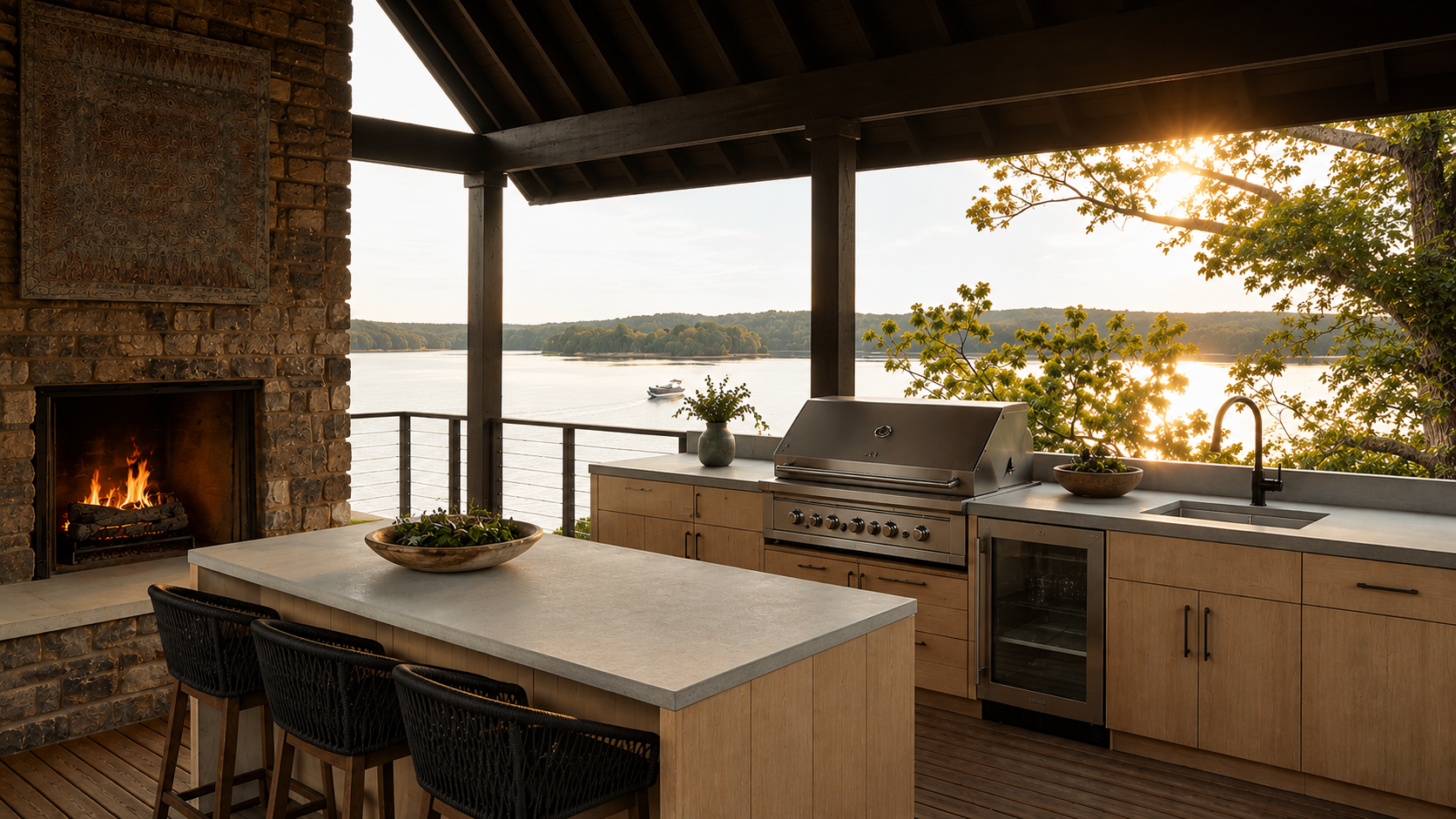
Trashy’s Styrofoam Concrete has a unique blend of densified Styrofoam that replaces the typical aggregates found in concrete.
This makes these products lighter and more durable, reducing the carbon footprint of shipping while giving waste a second life.
-
For every cubic foot of Trashy Concrete, we repurpose about 40-50 cubic feet of Styrofoam—meaning each Trashy table represents the removal of roughly 50 tables’ worth of waste from the landfill.
-
We source our Styrofoam from the Research Triangle and NC State, giving discarded materials a new life. We have plans to expand this reach.
-
Our unique concrete mix is one-third lighter than traditional concrete. While it’s still heavy, it’s notably lighter than traditional concrete.
It’s a great choice for sustainable, high-performance concrete projects where weight matters.
-
Our concrete is twice as strong as traditional concrete. Our newest version of EPS-based concrete is 7,000 PSI in 28 days, so much stronger than it needs to be for a table or planter.
-
We can Pantone match any color. Our base color is a stark white. The “Chalk” color you see here has a little hint of pigment.
-
For countertops or table tops, we are comparable to granite, quartz, or marble like travertine.
-
• TRASHY Lightweight EPS Aggregate Concrete (recycled expanded polystyrene-based)
• TRASHY Recycled Glass Aggregate ConcreteVisit How Do I Specify Trashy for more information.
Concrete from Recycled Styrofoam
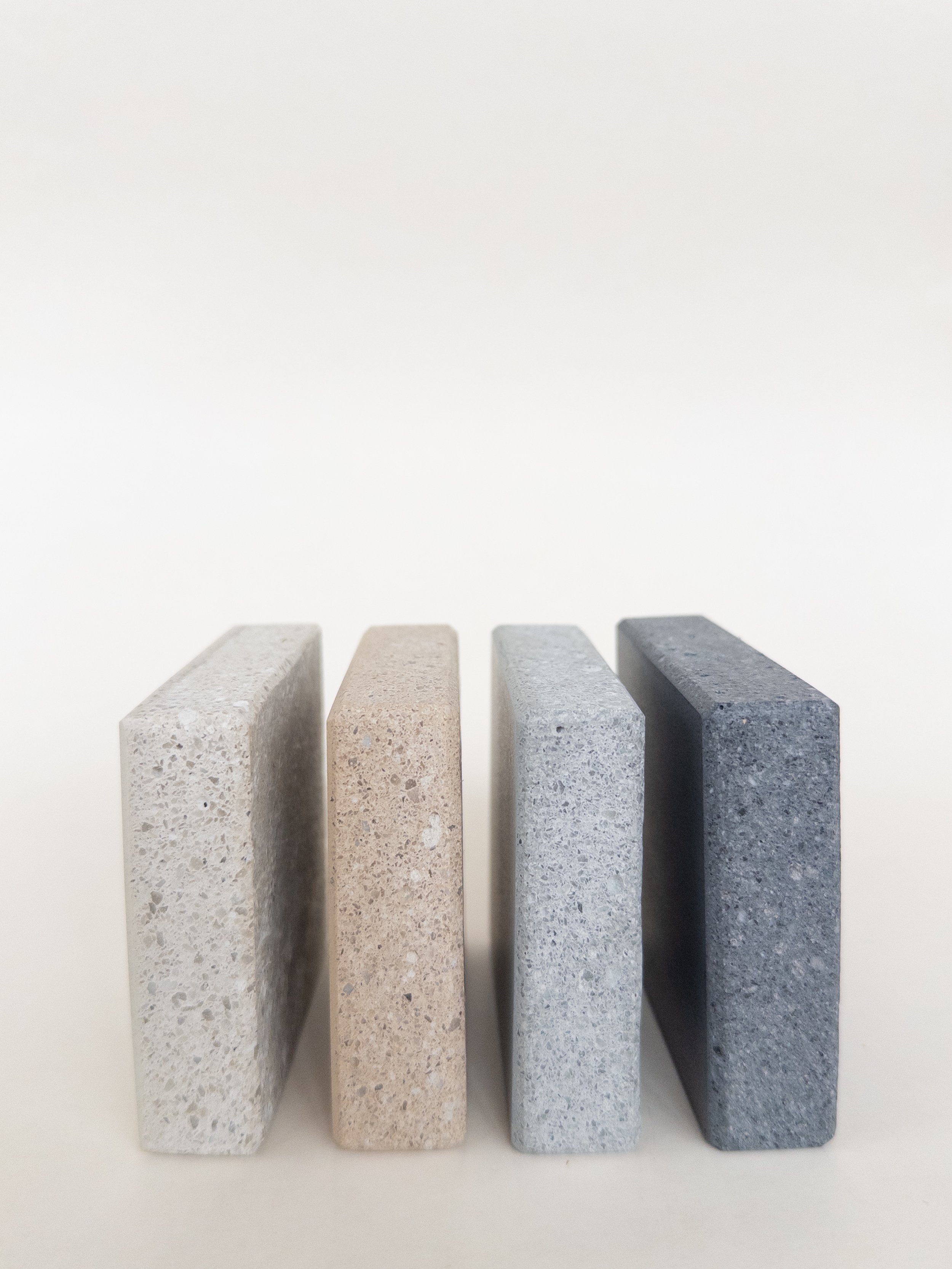
Our high ratio of recycled content, durability, and lightness sets us apart.
Concrete from Recycled Glass
-
Our recycled glass concrete is composed of up to 85% recycled content. We are able to displace more cement than in our Styrofoam.
-
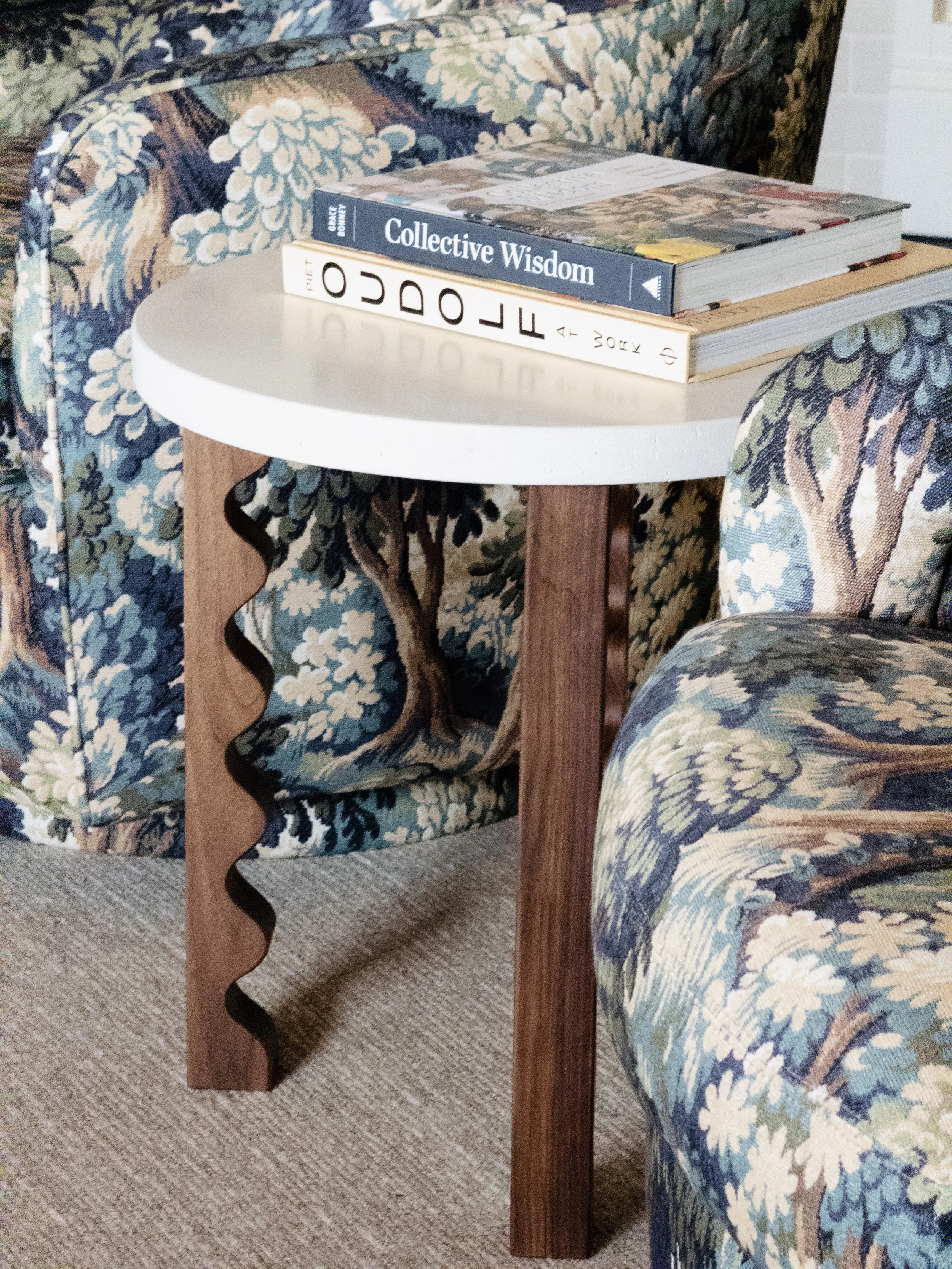
If you like a consistent finish on each side, this is the option for you. It can look like a solid stone, especially in a slab or table top form.
You can see the level of finish in the reflection of the book on the side. That is NOT photoshopped!
-
We work with glass recyclers across the state of North Carolina.
We are also exploring how we can use discarded laboratory glass, which is brown and has no market for recycling in our area today. Stay tuned!
-
• TRASHY Lightweight EPS Aggregate Concrete (recycled expanded polystyrene-based)
• TRASHY Recycled Glass Aggregate ConcreteVisit How Do I Specify Trashy for more information.
Urban wood
-
Trashy’s wood is urban wood. Urban wood is sourced from salvaged trees that would otherwise be chipped or sent to landfills in central North Carolina.
-
We were surprised to learn that when wood decomposes or is chipped, the carbon it stores is released into the atmosphere.
By repurposing it, we prevent tree harvesting for furniture, essentially doubling the environmental benefits.
-
The wood is from fallen trees in North Carolina.